

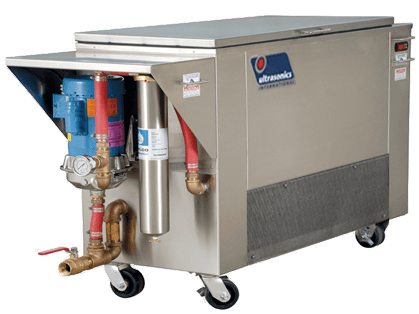
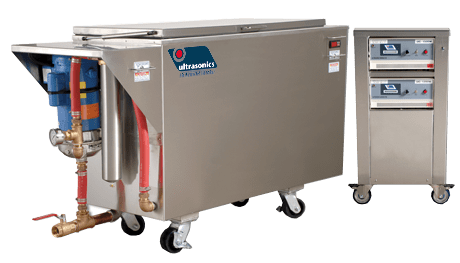
In industrial and commercial cleaning, getting parts thoroughly clean can take significant time and effort. Traditional methods may require manual scrubbing, solvents, or multiple cleaning steps. The right Ultrasonic Cleaning Equipment can make this process more efficient by using ultrasonic waves to create microscopic bubbles that help loosen dirt, grease, oil, carbon, and other contaminants from parts.

What Is Ultrasonic Cleaning Equipment?
Ultrasonic Cleaning Equipment uses high-frequency sound waves to create microscopic bubbles in a cleaning solution. When these bubbles collapse, they produce a cleaning action that reaches surfaces, small openings, and hard-to-reach areas.
This makes ultrasonic cleaning useful for components with complex shapes, narrow spaces, and areas that may be difficult to clean manually.
How Ultrasonic Cleaning Improves Efficiency
1. Thorough Cleaning
Ultrasonic technology can reach areas that brushes and other conventional methods may struggle to access. This helps provide more consistent cleaning across complex parts and components.
2. Less Manual Labor
Manual cleaning can require considerable time and effort. Ultrasonic cleaning reduces the need for extensive scrubbing, allowing employees to spend more time on other important tasks.
3. Consistent Results
Cleaning quality can vary when parts are cleaned manually. With properly selected Ultrasonic Cleaning Equipment, businesses can establish repeatable cleaning processes and achieve more consistent results from one cycle to another.
4. Faster Cleaning Processes
Depending on the application, ultrasonic cleaning can help reduce the time required to remove contaminants from parts. Businesses can process multiple components together, improving overall workflow efficiency.
5. Better Cleaning of Complex Components
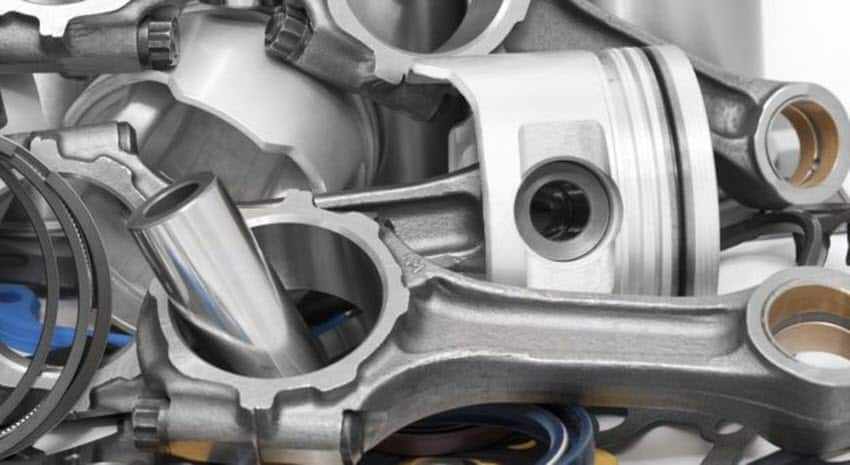
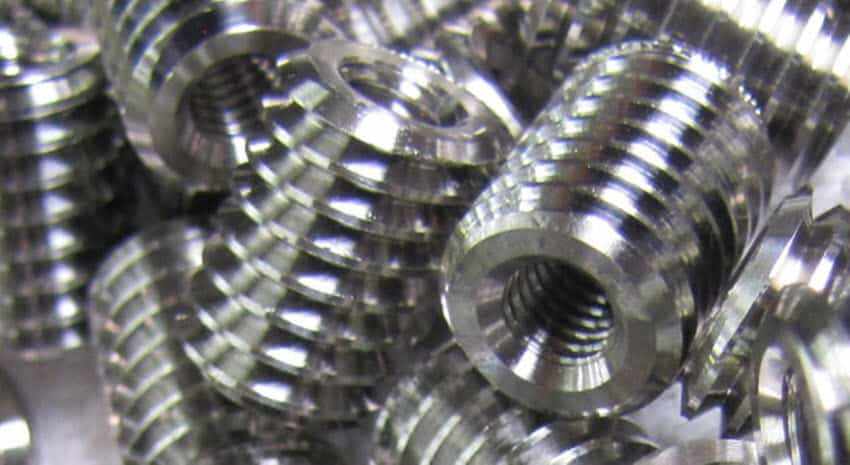
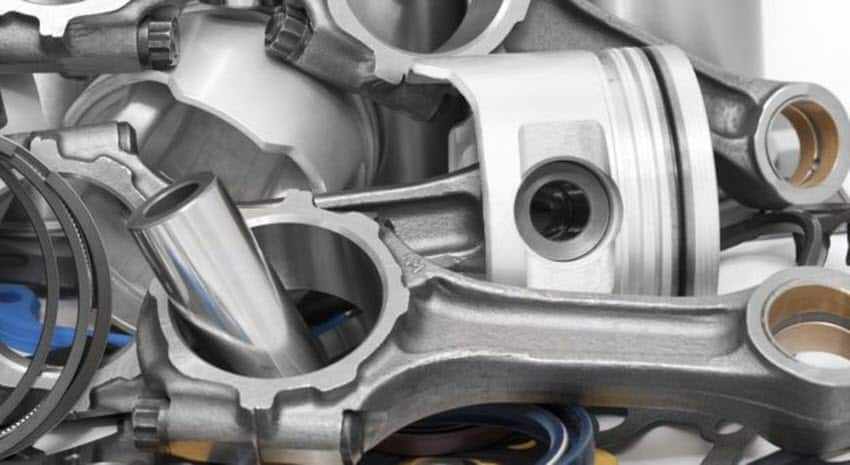
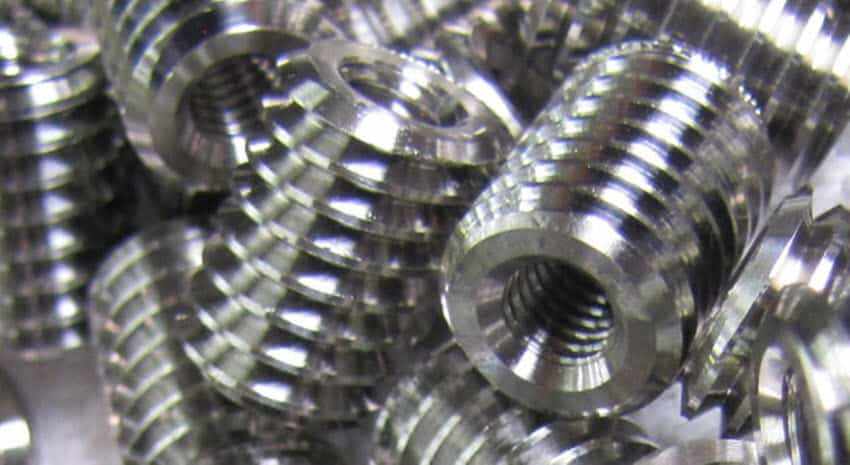
Industrial parts often contain holes, grooves, cavities, and other difficult areas. Ultrasonic cleaning can help the cleaning solution reach these areas, making it a useful option for detailed components.
Choosing the Right Equipment
Selecting the right equipment is important for achieving efficient cleaning. Businesses should consider factors such as tank size, cleaning capacity, part dimensions, type of contamination, cleaning solution, operating frequency, and required cleaning time.
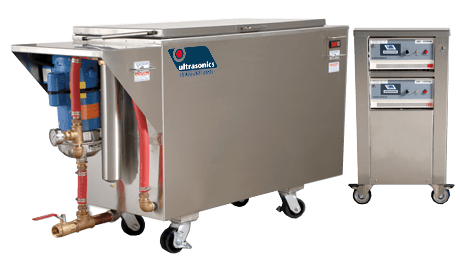
The equipment should also match the specific application. A small benchtop system may be suitable for smaller components, while larger industrial operations may require a customized cleaning system.
A Smarter Approach to Parts Cleaning
The goal of effective cleaning is not simply to remove visible dirt but to create a reliable and repeatable process. The right Ultrasonic Cleaning Equipment can help businesses improve cleaning consistency, reduce manual work, and support a more efficient workflow.
For industrial applications where precision and productivity matter, ultrasonic technology can be a valuable addition to the cleaning process.
Frequently Asked Questions
What does ultrasonic cleaning equipment remove?
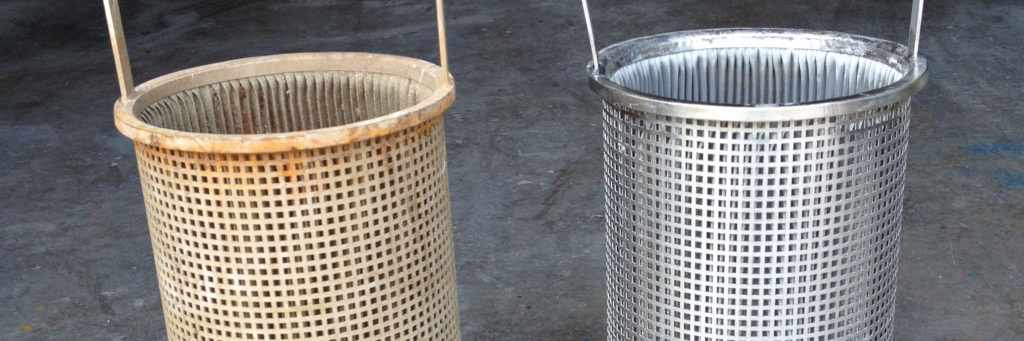
It can help remove contaminants such as dirt, grease, oil, carbon, and other residues, depending on the part, cleaning solution, and equipment used.
Is ultrasonic cleaning suitable for complex parts?
Yes. Ultrasonic cleaning is particularly useful for components with small openings, grooves, cavities, and other difficult-to-reach areas.
How do I choose ultrasonic cleaning equipment?
Consider the size and material of the parts, type of contamination, cleaning volume, tank capacity, and the specific cleaning requirements of your application.
Can ultrasonic cleaning reduce manual labor?
Yes. Ultrasonic cleaning can reduce the amount of manual scrubbing required, helping make the overall cleaning process more efficient.




Write a comment ...