
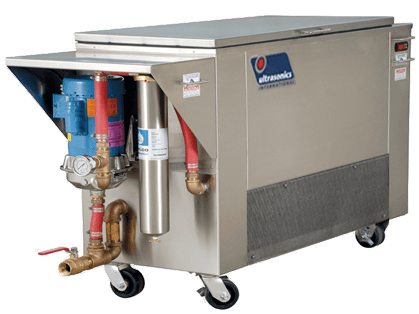
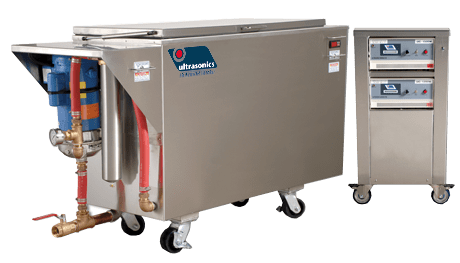
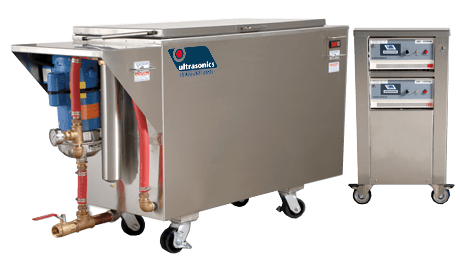
Ultrasonic Cleaning Equipment is widely used across industries such as aerospace, automotive, medical, electronics, and manufacturing because of its ability to remove grease, oil, carbon, dirt, and other contaminants with exceptional precision. While these systems are built for reliability, they can occasionally experience performance issues if not properly maintained. Understanding the most common problems and their solutions can help extend equipment life, improve cleaning efficiency, and minimize downtime.
Why Regular Maintenance Matters
Routine maintenance keeps Ultrasonic Cleaning Equipment operating at peak performance while reducing the risk of unexpected breakdowns. Identifying small issues early can prevent expensive repairs and ensure consistent cleaning quality.

Common Problems and Their Solutions
1. Poor Cleaning Performance
Problem: Parts are not coming out as clean as expected.
Possible Causes:
Dirty or exhausted cleaning solution
Incorrect cleaning temperature
Overloaded cleaning basket
Worn ultrasonic transducers
Solution:
Replace the cleaning solution regularly, maintain the recommended operating temperature, avoid overcrowding the basket, and inspect the transducers for wear or damage.
2. Weak or No Ultrasonic Cavitation
Problem: The equipment runs, but cleaning results are significantly reduced.
Possible Causes:
Air trapped in the cleaning solution
Low liquid level
Faulty transducers or generator
Solution:
Degas the cleaning solution before use, maintain the correct fluid level, and have electrical components inspected by a qualified technician if performance does not improve.
3. Excessive Noise During Operation
Problem: The machine produces unusual or louder-than-normal sounds.
Possible Causes:
Loose internal components
Damaged transducers
Worn mounting hardware
Solution:
Inspect the equipment for loose fittings and schedule professional servicing if abnormal noise continues.
4. Equipment Overheating
Problem: The unit becomes excessively hot during operation.
Possible Causes:
Blocked ventilation
Continuous operation beyond recommended limits
Malfunctioning heating system
Solution:
Ensure proper airflow around the machine, follow recommended operating cycles, and inspect heating components if overheating persists.
5. Electrical Problems
Problem: The machine fails to start or shuts down unexpectedly.
Possible Causes:
Loose wiring
Damaged power cord
Faulty electrical components
Solution:
Check power connections, inspect cables for damage, and contact a qualified technician for electrical repairs.
6. Corrosion or Tank Damage
Problem: Visible corrosion or wear inside the cleaning tank.
Possible Causes:
Using incompatible cleaning chemicals
Lack of routine cleaning
Prolonged exposure to contaminated solutions
Solution:
Use only manufacturer-approved cleaning solutions, clean the tank regularly, and replace worn components when necessary.
Preventive Maintenance Tips
To keep your Ultrasonic Cleaning Equipment operating efficiently:
Clean the tank after each use.
Replace cleaning solutions on schedule.
Monitor liquid levels before every cycle.
Inspect transducers and electrical connections regularly.
Avoid overloading the cleaning basket.
Schedule preventive maintenance inspections.
Follow the manufacturer's operating guidelines.
Proper maintenance and early troubleshooting are essential for maximizing the performance and lifespan of Ultrasonic Cleaning Equipment. Most common issues can be prevented through routine inspections, proper cleaning solution management, and regular servicing. By addressing problems before they become major failures, businesses can reduce downtime, improve productivity, and continue achieving consistent, high-quality cleaning results.
Frequently Asked Questions:
1. Why is my Ultrasonic Cleaning Equipment not cleaning effectively?
Poor cleaning performance is often caused by contaminated cleaning solution, incorrect temperature settings, overloaded baskets, or worn transducers.
2. How often should I replace the cleaning solution?
The cleaning solution should be replaced whenever it becomes heavily contaminated or according to the manufacturer's maintenance recommendations.
3. What causes weak ultrasonic cavitation?
Weak cavitation may result from trapped air, low liquid levels, worn transducers, or generator issues.
4. Can I repair Ultrasonic Cleaning Equipment myself?
Basic maintenance such as cleaning the tank and replacing the solution can be performed by operators. Electrical repairs and internal component replacements should be handled by qualified technicians.
5. How can I extend the life of Ultrasonic Cleaning Equipment?
Regular cleaning, preventive maintenance, proper operating procedures, timely replacement of cleaning solutions, and routine inspections will help maximize the lifespan and performance of Ultrasonic Cleaning Equipment.



Write a comment ...