

Modern industries demand extremely high levels of cleanliness, especially when working with intricate and sensitive parts used in engineering, medical, automotive, and electronics applications. Traditional cleaning methods often struggle to reach microscopic crevices without damaging the material. This is where advanced solutions make a difference. Our Ultrasonic Cleaning Equipment in the middle of precision-driven cleaning systems is designed to deliver consistent, non-abrasive, and highly effective results for even the most delicate components, ensuring contaminants are removed at a microscopic level while preserving structural integrity.
Understanding How Ultrasonic Cleaning Works
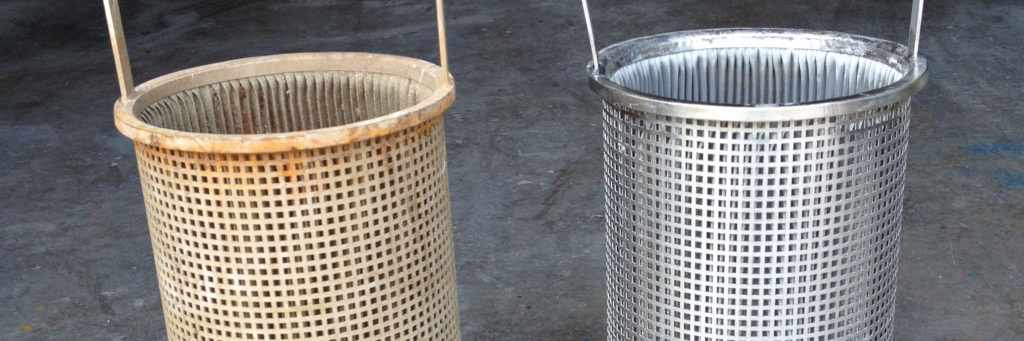
Ultrasonic cleaning operates on a scientifically proven principle called cavitation. High-frequency sound waves are transmitted through a cleaning solution, creating millions of microscopic bubbles. These bubbles form and collapse rapidly, producing tiny but powerful energy bursts that dislodge dirt, grease, carbon buildup, and microscopic particles from the surface of components.
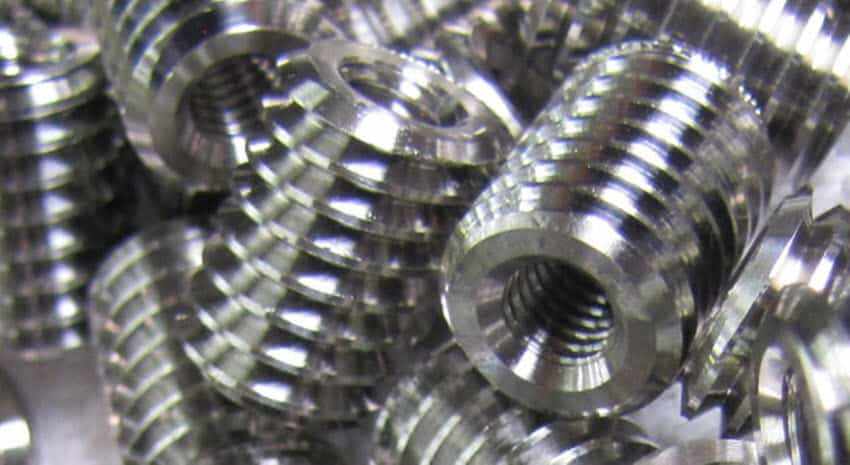
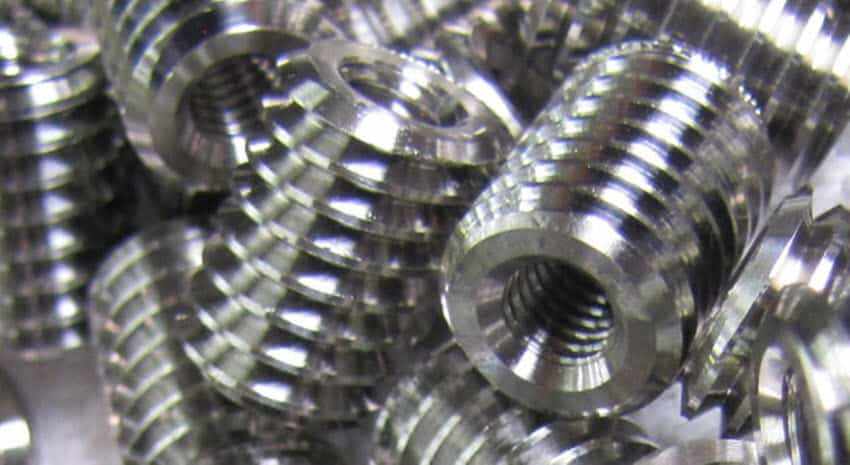
Unlike manual scrubbing or chemical-only cleaning, this process reaches into complex geometries such as blind holes, fine threads, and internal channels. This makes it especially effective for precision parts where even the smallest residue can affect performance or reliability.
The key advantage lies in its ability to clean thoroughly without direct mechanical contact, significantly reducing the risk of scratching, bending, or wear on delicate surfaces.
Precision Cleaning for Delicate Components
Delicate components used in aerospace, medical devices, electronics, and manufacturing require extremely careful handling. Even microscopic contamination can lead to performance failure or reduced efficiency.
Ultrasonic cleaning is uniquely suited for these applications because it provides:
Non-abrasive cleaning action
Uniform cleaning across complex geometries
Deep penetration into micro-level surfaces
Safe removal of oils, flux, carbon, and polishing compounds
This ensures that sensitive components like surgical instruments, circuit boards, precision gears, and injector parts are restored to a near-original clean state without any structural damage.
By eliminating human error and inconsistent manual cleaning, ultrasonic technology ensures repeatable and reliable cleaning results every time.
Advanced Engineering in SonicPro Systems
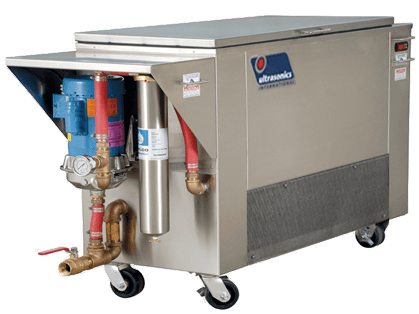
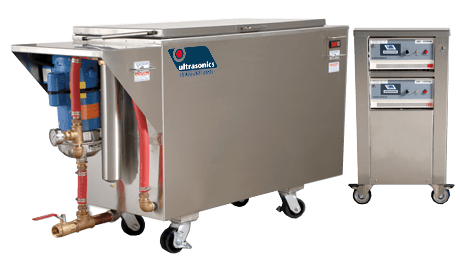
SonicPro ultrasonic cleaning systems are designed with industrial-grade construction and advanced control features to meet demanding cleaning environments. Built with robust stainless steel tanks, these systems ensure durability and resistance to corrosion even under continuous use.
According to product specifications, SonicPro systems feature heavy-duty stainless steel tank construction and are designed for high-performance industrial cleaning applications.
A key highlight is the integration of advanced ultrasonic generators that operate within optimized frequency ranges to produce stable cavitation fields. Some models also incorporate dynamic wave sweep technology, which helps distribute ultrasonic energy evenly throughout the tank for consistent cleaning results.
Additional engineering features include:
Digital control systems for precise power adjustment
Built-in heating controls for improved cleaning efficiency
Optional filtration and liquid management systems
Heavy-duty industrial design for continuous operation
These features allow operators to fine-tune cleaning intensity based on component sensitivity, making the system suitable for both rugged industrial parts and highly delicate instruments.
Why Ultrasonic Cleaning Is Ideal for Industrial Applications
Across multiple industries, the need for precision cleaning continues to grow. SonicPro systems are widely applicable in environments where contamination control is critical.
1. Medical and Healthcare
Ensures surgical instruments and medical tools are free from biological contaminants and residue buildup.
2. Electronics Manufacturing
Safely removes flux, dust, and micro-particles from circuit boards and sensitive electronic assemblies.
3. Automotive and Aerospace
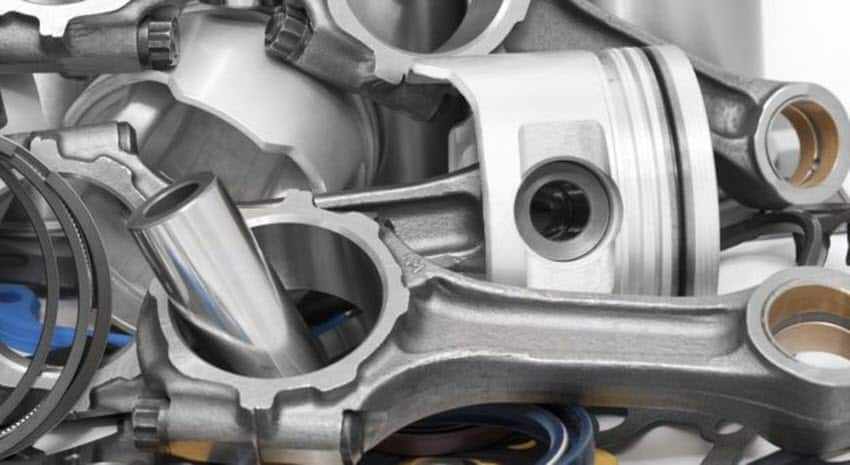
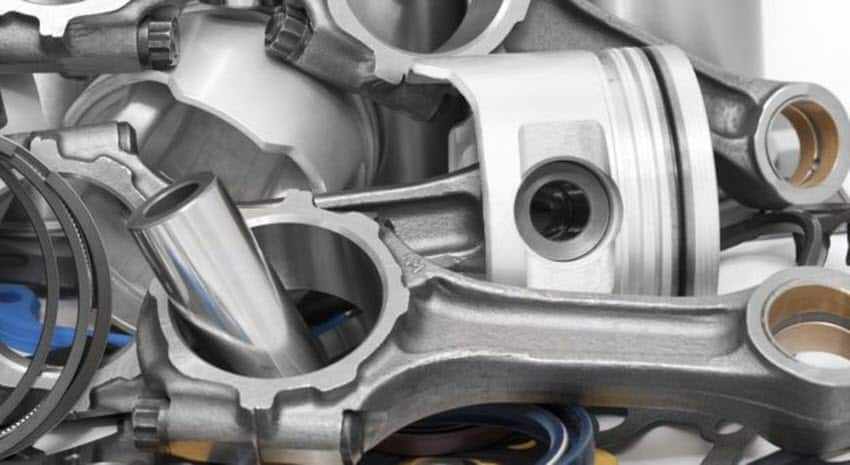
Cleans fuel injectors, engine parts, and precision-machined components without altering tolerances.
4. Manufacturing and Engineering
Improves part longevity and performance by eliminating machining oils, carbon deposits, and debris.
The consistent and repeatable nature of ultrasonic cleaning makes it a trusted solution in all these sectors, where precision is not optional but essential.
Enhancing Efficiency and Reducing Operational Costs
One of the major advantages of ultrasonic cleaning systems is operational efficiency. Compared to manual cleaning methods, ultrasonic technology significantly reduces labor time, chemical usage, and rework rates caused by improper cleaning.
Because the process is automated and controlled, it also ensures consistent output quality, reducing the need for re-cleaning or post-processing inspection failures. This translates into improved productivity and cost savings over time.
Additionally, the non-damaging nature of ultrasonic cleaning helps extend the lifespan of expensive precision components, further improving overall operational value.
Conclusion
Ultrasonic cleaning has transformed how industries handle precision cleaning challenges. With advanced engineering, controlled cavitation, and industrial-grade construction, SonicPro systems provide a reliable solution for maintaining the cleanliness and performance of delicate components.
By combining efficiency, safety, and deep-cleaning capability, these systems ensure that even the most intricate parts are cleaned thoroughly without compromise. As industries continue to demand higher precision and reliability, ultrasonic technology remains a key solution for achieving consistent, high-quality results.




Write a comment ...