

In today’s precision-driven industries, cleaning is no longer just about removing visible dirt—it’s about achieving consistent, reliable, and contamination-free results. At SonicPro, we’ve seen firsthand how modern solutions outperform outdated approaches. Ultrasonic Cleaning Equipment has transformed how businesses handle cleaning, offering efficiency, precision, and safety that traditional methods struggle to match.
What is Ultrasonic Cleaning Equipment?
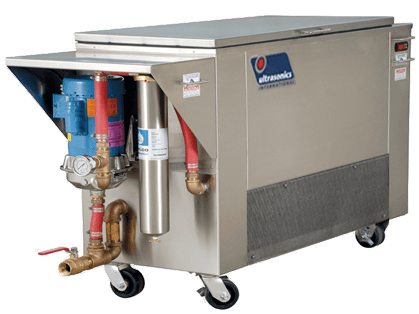
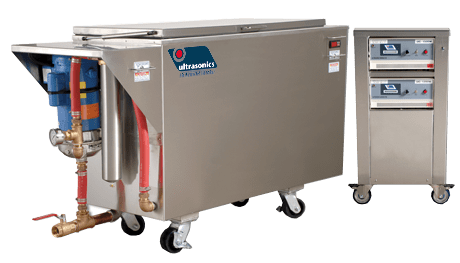
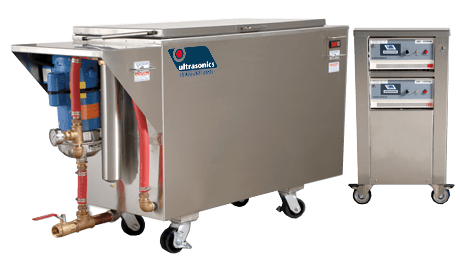
Ultrasonic cleaning uses high-frequency sound waves (typically 20–40 kHz) transmitted through a liquid to create microscopic bubbles—a process called cavitation. These bubbles collapse rapidly, producing energy that dislodges contaminants from surfaces, even in hard-to-reach areas.
From our perspective at SonicPro, this technology represents a smarter, more advanced way to clean complex components without damaging them. Whether it’s industrial parts, medical tools, or delicate items, ultrasonic systems deliver deep, uniform cleaning.
How Traditional Cleaning Methods Work
Traditional cleaning methods rely heavily on manual or mechanical processes such as:
Scrubbing with brushes
Wiping with cloths
Soaking in chemical solutions
High-pressure spraying
While these methods can remove surface dirt, they often fail to clean intricate geometries or internal cavities. They also depend on operator skill and consistency, which can lead to uneven results.
Key Differences Between Ultrasonic and Traditional Cleaning
1. Cleaning Efficiency
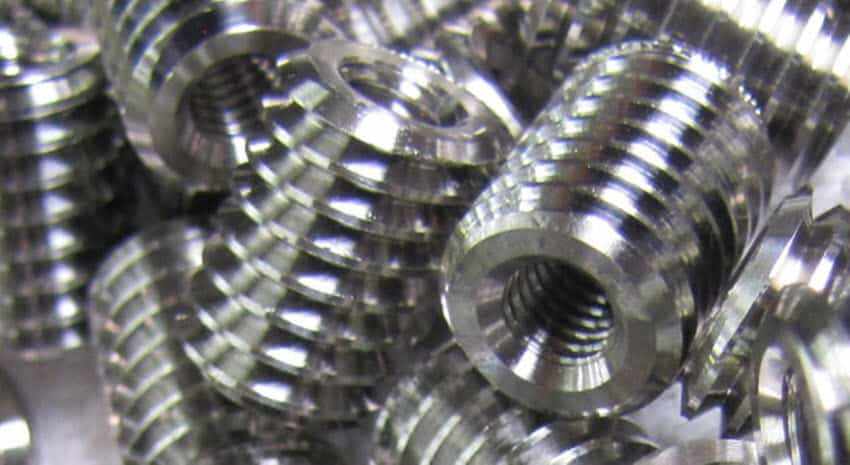
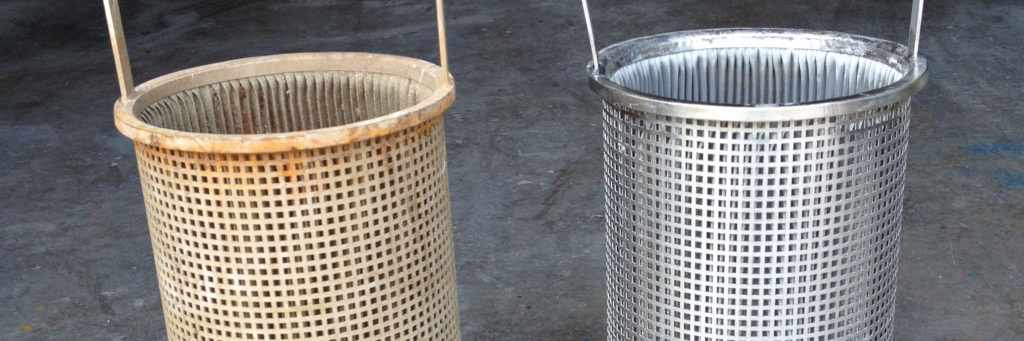
Ultrasonic systems excel in removing stubborn contaminants like grease, oil, and microscopic debris. The cavitation process reaches into cracks, blind holes, and crevices that manual cleaning simply cannot access.
Traditional methods, on the other hand, are limited to surface-level cleaning and often leave residues behind.
Our take: If precision matters, ultrasonic cleaning is the clear winner.
2. Consistency and Reliability
With ultrasonic cleaning, every cycle delivers consistent results because the process is automated and controlled.
Traditional cleaning varies depending on the operator, tools, and technique used.
From our experience: Businesses that switch to ultrasonic systems see a noticeable improvement in quality control.
3. Time and Labor Savings
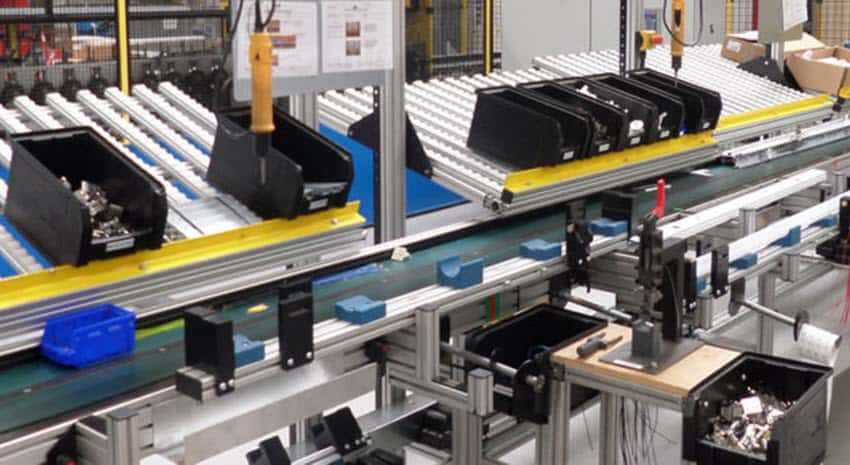
Ultrasonic cleaning significantly reduces cleaning time. Many components can be cleaned in minutes without manual effort.
Traditional methods require more labor, longer processing times, and often multiple cleaning steps.
Our perspective: Ultrasonic cleaning boosts productivity while reducing labor costs.
4. Safety and Material Protection
Ultrasonic cleaning is non-abrasive and gentle on delicate components. It removes contaminants without damaging surfaces.
In contrast, traditional methods like scrubbing or harsh chemicals can cause wear, scratches, or corrosion.
At SonicPro: Protecting your components is just as important as cleaning them.
5. Environmental Impact
Ultrasonic systems typically use water-based solutions and require fewer harsh chemicals, making them more environmentally friendly.
Traditional cleaning often relies on strong solvents and generates more waste.
Our approach: Sustainable cleaning is the future—and ultrasonic technology supports it.
Applications: Where Ultrasonic Cleaning Excels
Ultrasonic cleaning is widely used across industries, including:
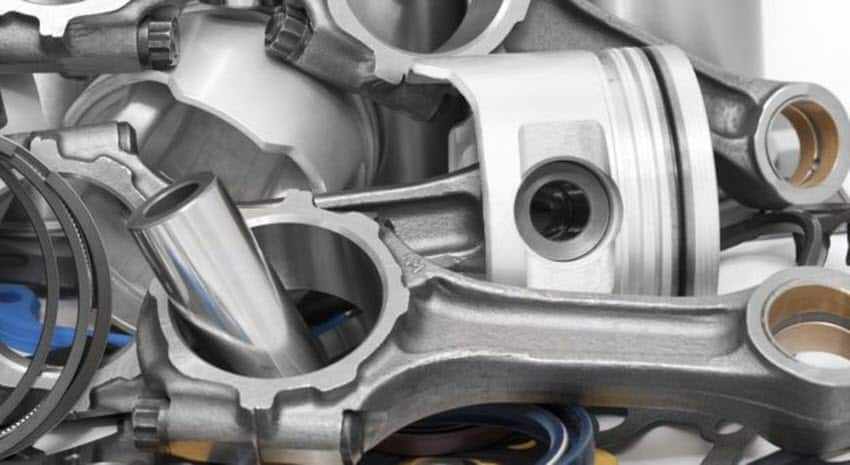
Automotive and aerospace components
Medical and dental instruments
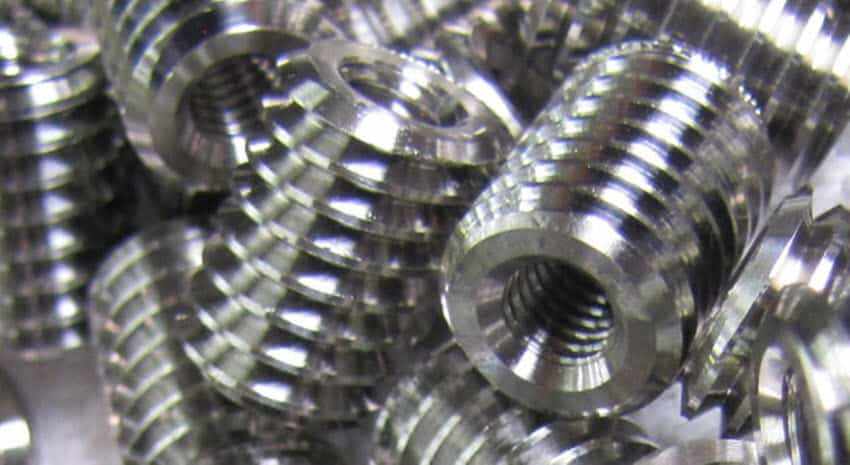
Electronics and precision parts
Jewelry and optical equipment
From our perspective, the versatility of ultrasonic cleaning is one of its biggest advantages. It adapts to a wide range of materials and cleaning requirements.
When Traditional Cleaning Still Makes Sense
Despite its advantages, traditional cleaning methods still have their place. For example:
Large surfaces that don’t require precision
Light cleaning tasks with minimal contamination
Situations where ultrasonic equipment is not available
However, for critical applications, traditional methods often fall short.
Why Businesses Are Switching to Ultrasonic Cleaning Equipment
At SonicPro, we’ve seen a growing shift toward ultrasonic solutions—and for good reason:
Higher cleaning standards
Reduced operational costs
Improved efficiency and throughput
Better protection for valuable components
Ultrasonic cleaning is no longer a luxury—it’s becoming the industry standard for modern cleaning processes.
Conclusion
When comparing ultrasonic cleaning equipment to traditional methods, the difference is clear. Ultrasonic technology delivers deeper, faster, and more consistent cleaning while protecting components and reducing environmental impact.
From our perspective at SonicPro, investing in Ultrasonic Cleaning Equipment is not just about upgrading your cleaning process—it’s about transforming your entire operation. If precision, efficiency, and reliability matter to your business, ultrasonic cleaning is the smarter choice.




Write a comment ...