
Ultrasonic cleaning has become a standard solution in medical, laboratory, industrial, and manufacturing settings due to its ability to clean deeply, efficiently, and safely. Understanding the key components of ultrasonic cleaning equipment and how each affects performance is crucial for selecting the right system and maximizing results.

1) Tank
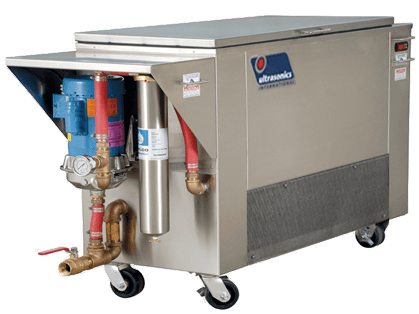
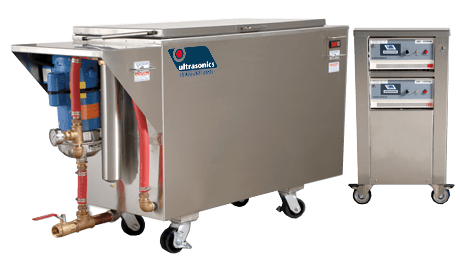
The tank is the heart of any ultrasonic cleaning system. Typically made from stainless steel, the tank holds the cleaning solution and the items to be cleaned.
How it affects performance:
Material & construction: High-quality stainless steel resists corrosion and ensures durability. Thicker tanks reduce energy loss and improve cavitation efficiency.
Size & capacity: A larger tank allows for more items per batch but requires higher power to maintain uniform cleaning. Proper sizing is essential to avoid overcrowding, which can reduce cleaning effectiveness.
2) Transducers
Transducers convert electrical energy into ultrasonic waves. They are the core technology that generates cavitation bubbles in the cleaning solution.
How it affects performance:
Number and placement: More transducers or strategic placement ensures even energy distribution throughout the tank.
Type & quality: Piezoelectric transducers are the most common, providing precise and reliable ultrasonic waves. Poor-quality transducers result in weak or uneven cleaning.
3) Generator
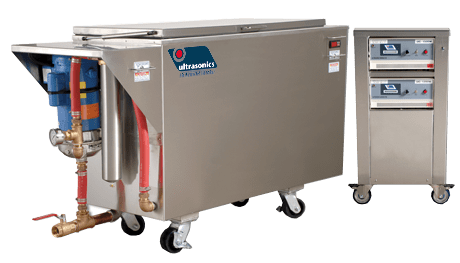
The generator powers the transducers, producing the high-frequency electrical signals required for ultrasonic waves.
How it affects performance:
Power output: Higher wattage improves cavitation strength, allowing for deeper and faster cleaning.
Frequency control: Some generators offer adjustable frequencies. Lower frequencies (20–28 kHz) are better for heavy soils, while higher frequencies (40–80 kHz) are ideal for delicate instruments.
Digital vs. analog: Digital generators provide more precise control over frequency and power, resulting in consistent cleaning results.
4) Heating Element
Many ultrasonic cleaning systems include a built-in heater to warm the cleaning solution. Heat can improve the efficiency of the cleaning solution and speed up the removal of contaminants.
How it affects performance:
Proper temperature control enhances cavitation and chemical activity.
Overheating can damage delicate parts or reduce cavitation effectiveness.
5) Control Panel
Modern systems come with user-friendly control panels that allow operators to set time, temperature, and frequency.
How it affects performance:
Accurate settings ensure repeatable results and reduce operator error.
Advanced controls with programmable cycles can automate complex cleaning tasks.
6) Accessories and Filtration Systems
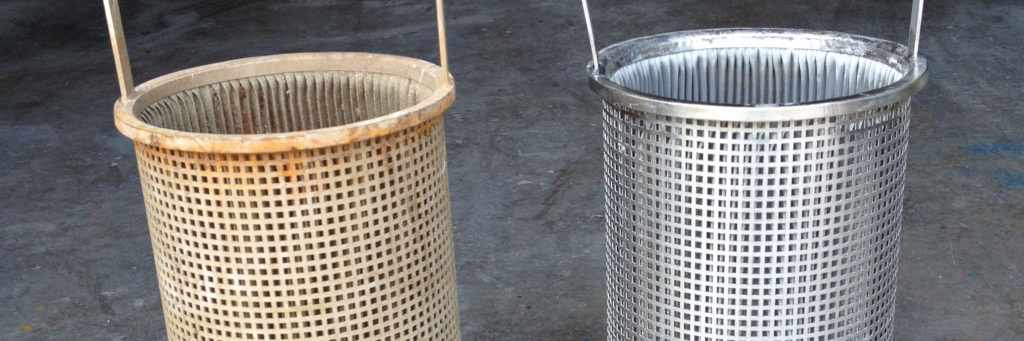
Racks, baskets, and filtration units help organize items and keep the cleaning solution clean.
How it affects performance:
Baskets prevent damage to sensitive items.
Filtration prolongs solution life and maintains consistent cleaning efficiency by removing debris from the tank.

Each component of ultrasonic cleaning equipment—from the tank and transducers to the generator, heating element, controls, and accessories—plays a critical role in performance. Understanding how these elements interact allows you to choose the right system for your needs, ensuring efficient, consistent, and damage-free cleaning.
For professionals looking for high-quality, reliable ultrasonic cleaning solutions, Ultrasonics International offers a range of systems with customizable options, expert support, and proven performance. Whether you need to upgrade your existing equipment or invest in a new system, Ultrasonics International delivers solutions that optimize cleaning efficiency and workplace productivity.




Write a comment ...